Discovering the Foreign Earned Income Exemption and Just How It Connects to Your Typical Reduction
The Foreign Earned Revenue Exclusion (FEIE) presents a significant opportunity for migrants to reduce their U.S. tax liability. Understanding the qualification needs and determining foreign earned revenue is important. Nevertheless, this exclusion makes complex the option between taking full advantage of and claiming the standard reduction tax advantages. Steering through these detailed guidelines can cause substantial monetary effects. What techniques can individuals use to optimize their tax obligation scenario while remaining compliant with IRS laws?
Understanding the Foreign Earned Revenue Exclusion (FEIE)
Although lots of U.S. citizens functioning abroad might face complicated tax obligation obligations, the Foreign Earned Earnings Exemption (FEIE) offers considerable alleviation by permitting qualified individuals to omit a section of their foreign profits from united state taxes. This provision is developed to ease the economic worry of double taxation on earnings made in foreign countries. By using the FEIE, certified taxpayers can leave out approximately a defined restriction of international gained income, which is adjusted yearly for inflation. The exclusion applies only to income stemmed from employment or self-employment in a foreign country and does not cover other sorts of revenue, such as financial investment revenue. To take advantage of the FEIE, people have to submit the ideal tax obligation kinds with the internal revenue service and assure compliance with details needs. Inevitably, the FEIE functions as a crucial device for united state residents navigating the complexities of international taxes while living and functioning abroad.
Qualification Needs for the FEIE
To qualify for the Foreign Earned Revenue Exemption (FEIE), individuals need to meet specific standards established by the internal revenue service. First, they have to have foreign earned earnings, which describes earnings, salaries, or professional costs gotten for solutions carried out in an international nation. Additionally, the taxpayer needs to either be a bona fide local of a foreign country or fulfill the physical presence test, which needs investing at least 330 full days in an international nation throughout a 12-month duration.
Additionally, the taxpayer needs to submit Form 2555 or Type 2555-EZ to declare the exemption. It is additionally important to note that the FEIE applies only to earnings gained while staying outside the USA; consequently, any type of earnings from U.S. sources or for solutions done in the united state does not certify. Understanding these eligibility requirements is essential for individuals looking for to gain from the FEIE.
Computing Your Foreign Earned Revenue
Computing international gained earnings is necessary for people looking for to take advantage of the Foreign Earned Earnings Exclusion - FEIE Standard Deduction. This process involves understanding the definition of international gained revenue and the certain eligibility requirements that apply. In addition, numerous estimation techniques can be utilized to accurately determine the quantity eligible for exemption
Meaning of Foreign Earned Income
Foreign earned revenue includes the payment received by people for solutions done in a foreign nation. This earnings can include incomes, incomes, bonus offers, and specialist charges earned while working abroad. It is important to keep in mind that international gained revenue is not restricted to just pay payments; it can additionally include non-cash advantages, such as real estate allocations or the value of meals provided by an employer. To certify as foreign gained earnings, the settlement needs to be stemmed from solutions carried out in an international location, not from united state sources. Recognizing this meaning is essential for individuals looking for to browse the intricacies of tax laws associated with gaining income overseas, especially when thinking about the Foreign Earned Revenue Exclusion.
Eligibility Needs Explained
Eligibility for the Foreign Earned Revenue Exclusion copyrights on a number of key demands that people have to satisfy to ensure their revenue qualifies - FEIE Standard Deduction. To begin with, the specific must have foreign made revenue, which is earnings obtained for services done in an international country. In enhancement, they have to satisfy either the bona fide residence test or the physical visibility examination. The authentic residence examination calls for individuals to be a citizen of a foreign country for an undisturbed duration that consists of an entire tax year. Alternatively, the physical visibility examination demands being present in an international nation for at the very least 330 complete days throughout a 12-month duration. Furthermore, taxpayers need to submit a valid tax return and claim the exclusion using Kind 2555
Estimation Approaches Review
When establishing the quantity of international made earnings eligible for exclusion, individuals must consider various estimation approaches that properly mirror their revenues. One of the most typical methods consist of the Physical Existence Test and the Bona Fide House Examination. The Physical Presence Examination needs individuals to be literally existing in a foreign nation for at the very least 330 days within a twelve-month period. Conversely, the Authentic Residence Examination uses to those who develop an irreversible home in an international nation for an undisturbed period. Each approach has particular criteria that have to be satisfied, impacting the quantity of income that can be excluded. Recognizing these computation techniques is necessary for making the most of the advantages of the Foreign Earned Earnings Exclusion and making certain conformity with IRS regulations.
The Role of the Requirement Deduction
The conventional deduction plays a crucial duty in specific tax obligation filings, supplying taxpayers with a fixed reduction in their gross income. When incorporated with the Foreign Earned Revenue Exclusion, it can significantly impact the total tax liability for migrants. Comprehending how these 2 elements connect is crucial for optimizing tax obligation benefits while living abroad.
Criterion Deduction Overview
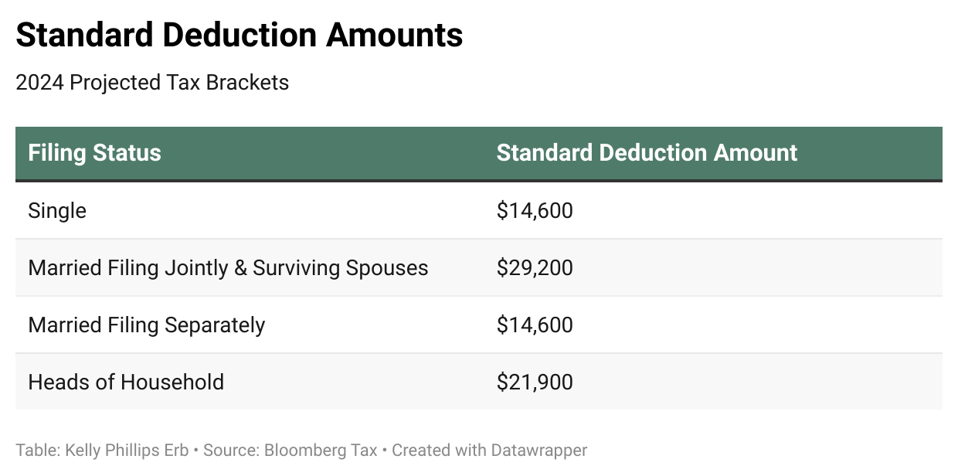
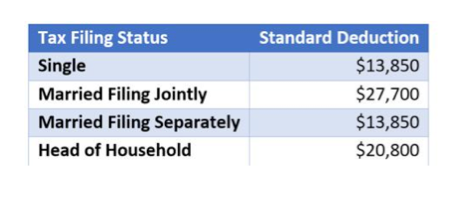
Comprehending the common reduction is necessary for taxpayers seeking to decrease their gross income. The conventional reduction represents a set dollar quantity that reduces the earnings based on tax, streamlining the filing procedure. It differs based on declaring status-- single, wedded declaring jointly, wedded filing individually, or head of home. For several taxpayers, particularly those without substantial itemized reductions, choosing the standard deduction might be advantageous. This deduction is readjusted annually for inflation, guaranteeing its relevance gradually. By making use of the conventional reduction, individuals can properly lower their tax obligation, making it a crucial part of tax planning. Eventually, awareness of the conventional reduction empowers taxpayers to make informed decisions regarding their monetary strategies.
Interaction With Foreign Exemption
Taxpayers living abroad may gain from both the typical reduction and the Foreign Earned Revenue Exclusion (FEIE) The FEIE enables eligible people to leave out a considerable section of their foreign earnings from U.S. taxation, while the conventional deduction decreases taxable earnings for all taxpayers. Importantly, the basic deduction can still apply also when utilizing the FEIE. Nonetheless, taxpayers have to keep in mind that the FEIE does not affect the calculation of the standard deduction. As an example, solitary filers can assert the common deduction amount no matter their foreign earnings exemption. This combination can bring about significant tax savings, allowing migrants to lessen their general tax obligation obligation effectively while ensuring conformity with U.S. tax commitments.
Exactly How FEIE Affects Your Standard Reduction
Navigating the interaction between the Foreign Earned Revenue Exemption (FEIE) and the typical deduction can be intricate for migrants. The FEIE allows certifying individuals to exclude a certain quantity of their foreign gained earnings from united state tax, which can greatly affect their total tax responsibility. It is important to keep in mind that asserting the FEIE may impact the ability to make use of the conventional deduction.
Especially, if an expatriate elects to leave out international earned earnings, they can not declare the typical deduction for that tax year. Instead, they may be eligible for an international tax obligation debt, which can be advantageous in certain circumstances. The decision to use the FEIE or the common reduction calls for careful consideration of individual circumstances, as it can alter the tax landscape significantly. Recognizing these effects is crucial for migrants looking for to maximize their tax obligation commitments while living abroad.
Approaches for Optimizing Your Tax Obligation Benefits
While navigating through the complexities of expatriate taxation, individuals can Discover More use numerous strategies to optimize their tax obligation advantages. One reliable approach involves optimizing the Foreign Earned Income Exemption (FEIE) by making certain that all certifying revenue is accurately reported. By timely filing Type 2555, expatriates can omit a considerable part of their earnings, lowering their total taxed quantity.
In addition, people need to consider their residency standing and just how it affects their qualification for tax obligation benefits. Leveraging available reductions, such as real estate expenses, can even more boost tax obligation financial savings. Participating in tax preparation throughout the year, instead of waiting till tax period, allows migrants to make informed economic decisions that straighten with their tax method.
Last but not least, speaking with a tax obligation specialist knowledgeable in expatriate taxes can supply personalized understandings, ensuring compliance while taking full advantage of available benefits. Through these techniques, migrants can properly navigate the complexities of their tax commitments.
Usual Mistakes to Prevent With FEIE and Reductions
Maximizing the benefits of the Foreign Earned Income Exclusion (FEIE) calls for mindful focus to information to avoid common mistakes that can weaken tax obligation financial savings. One regular blunder involves stopping working to fulfill the residency requirements, which can result in incompetency from the exemption. An additional usual error is incorrectly calculating the eligible foreign earned earnings, causing possible over- or under-reporting. Taxpayers might additionally forget the need to file Kind 2555, essential for asserting the FEIE, or misunderstand the partnership in between the FEIE and the standard reduction. It's essential to keep in mind that while the FEIE can reduce taxed revenue, it does not impact the basic deduction quantity, which might create confusion. Overlooking to maintain correct paperwork, such as evidence of residency and earnings sources, can make complex audits or future claims. Recognition of these errors can help people navigate the intricacies of international taxes much more effectively.
Regularly Asked Concerns
Can I Claim FEIE if I Function Remotely for a United State Company?
Yes, an individual can claim the Foreign Earned Earnings Exemption if they work from another location for an U.S. business, provided they satisfy the qualification requirements connected to residency and physical presence in a foreign nation.
How Does the FEIE Influence My State Taxes?
The Foreign Earned Earnings Exemption commonly does not impact state tax obligations straight, as guidelines vary by state. Some states may call for residents to report all earnings, while others straighten with federal exemptions. Individual scenarios will certainly figure out responsibility.
Can I Switch In Between FEIE and the Foreign Tax Obligation Credit History?
Yes, people can switch between the Foreign Earned Earnings Exemption and the Foreign Tax Credit Rating. Nonetheless, they must very carefully take into consideration the effects and limitations of each choice for their certain economic scenario and look at these guys tax obligation year.
What Occurs if I Surpass the FEIE Earnings Limitation?

Exceeding the Foreign Earned Income Exclusion limit results in gross income for the excess amount. This can result in enhanced tax responsibility and possible difficulties in declaring deductions or credit ratings connected to international income.
Does FEIE Put On Independent Individuals?
Yes, the Foreign Earned Income Exclusion (FEIE) applies Get the facts to self-employed individuals (FEIE Standard Deduction). They can exclude qualifying foreign earned income, offered they meet the required requirements, such as the physical presence or bona fide residence tests
The exemption uses just to revenue acquired from work or self-employment in a foreign nation and does not cover various other kinds of revenue, such as financial investment earnings. Calculating international made earnings is necessary for people seeking to benefit from the Foreign Earned Revenue Exemption. To start with, the individual have to have international made income, which is revenue gotten for services performed in an international country. The FEIE allows qualified individuals to exclude a substantial part of their foreign income from United state tax, while the basic reduction minimizes taxable income for all taxpayers. One reliable technique involves maximizing the Foreign Earned Earnings Exemption (FEIE) by making certain that all qualifying revenue is precisely reported.